Handy Notes to Pass Australian Citizenship Exam
You mush spend time in reading the notes about Australian citizenship Test, these notes are quite handy when you going to appear for the test and provides you overall scenario and information about the exam.
Passing this test demonstrates your commitment to Australia, its values, democratic principles, and way of life. As of 2026, the test remains based on the official resource booklet Australian Citizenship: Our Common Bond (published by the Department of Home Affairs), with a strong emphasis on Australian values.
This comprehensive guide provides handy notes, key facts, summaries, and preparation tips to help you study effectively and pass on your first attempt. All testable content comes from the official booklet—download it free from the Department of Home Affairs website for the most accurate preparation.
You can also download the frequently asked questions in the real exam, all these questions are colellected by different members who provide us this information.
Australian Citizenship Test Format and Passing Requirements
The test is computer-based, in English only, and consists of 20 multiple-choice questions. You have 45 minutes to complete it.
To pass:
- Achieve an overall score of at least 75% (correctly answer 15 out of 20 questions).
- Correctly answer all 5 questions on Australian values — this is mandatory; even one wrong answer in this section results in failure, regardless of your overall score.
The test assesses your understanding of Australia and your English skills through the questions. No personal items like phones or notes are allowed in the testing room.
Key Testable Sections and Handy Study Notes
The testable parts of Our Common Bond cover four main areas. Focus your revision here for maximum efficiency.
1. Australia and Its People
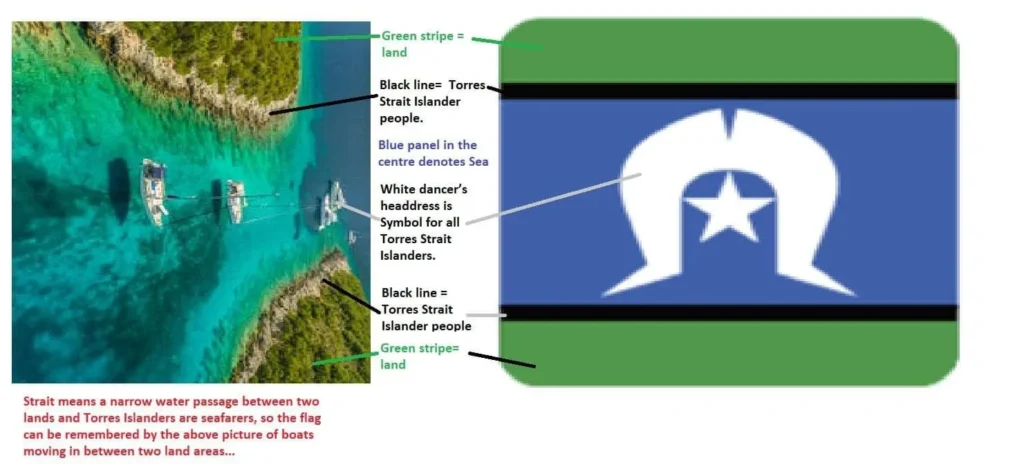
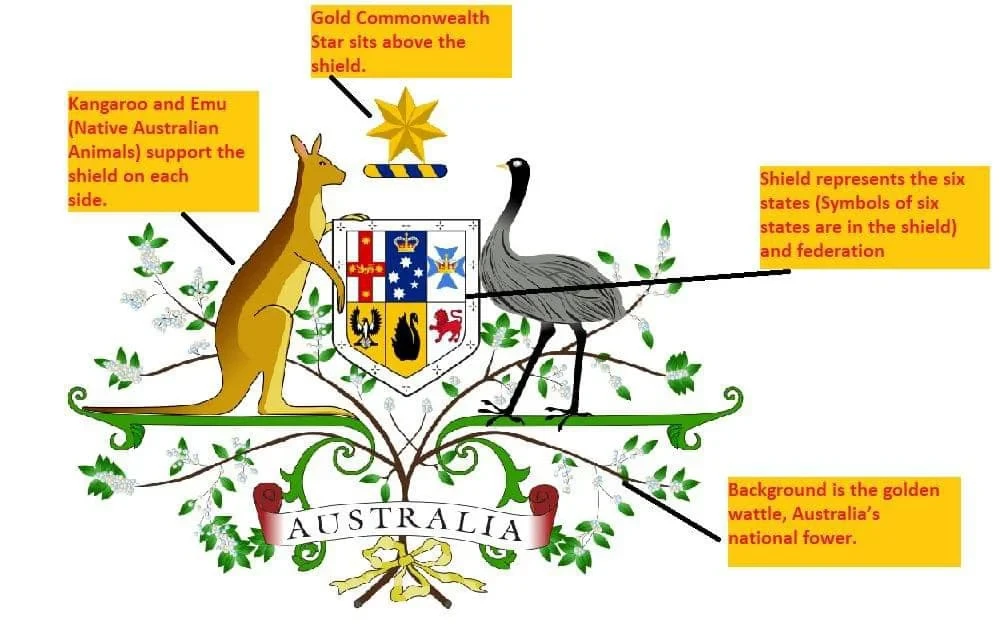
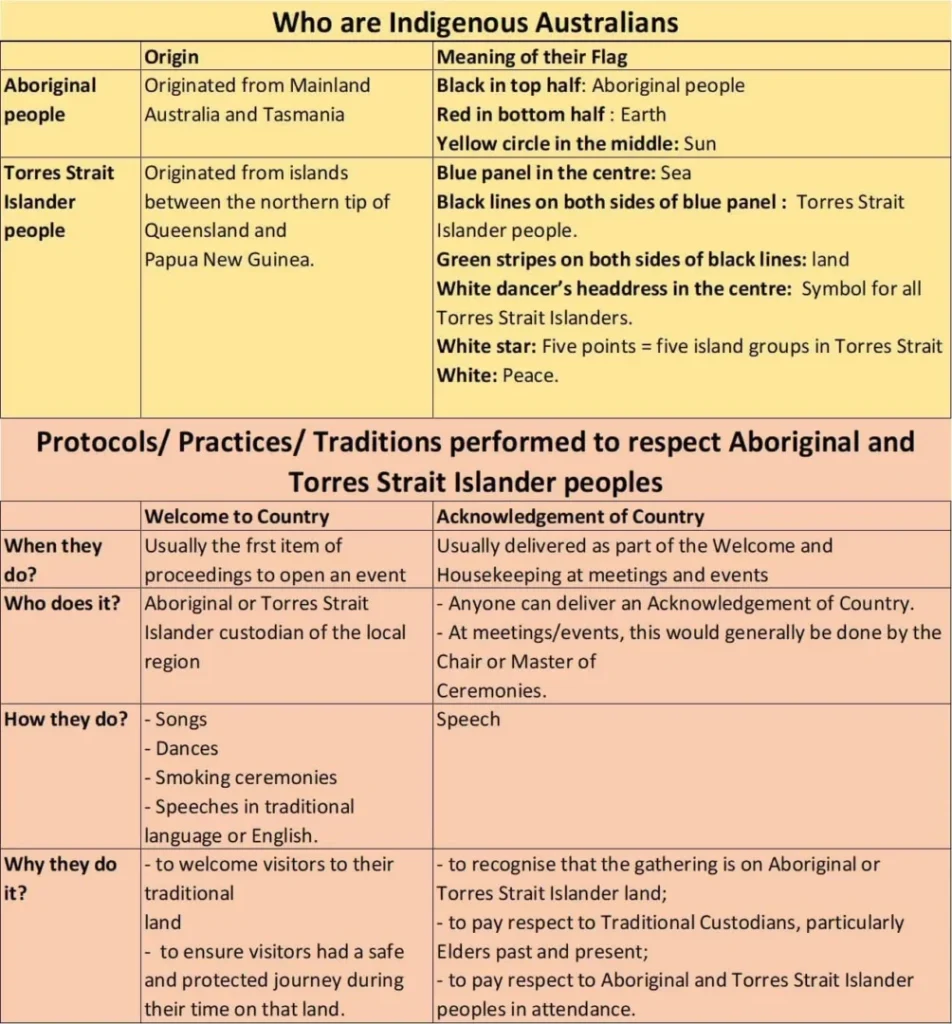
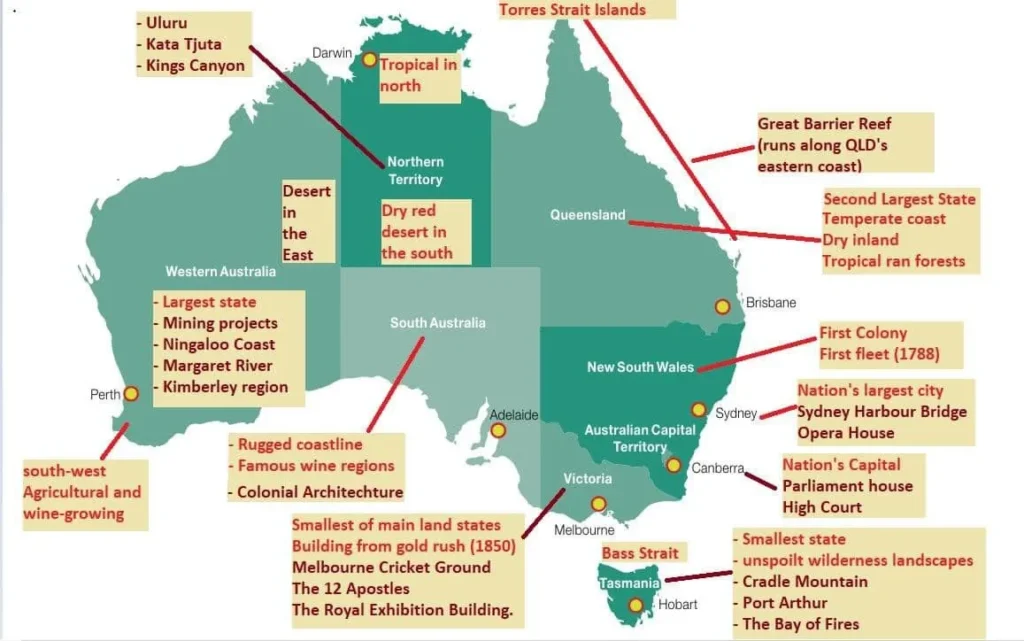
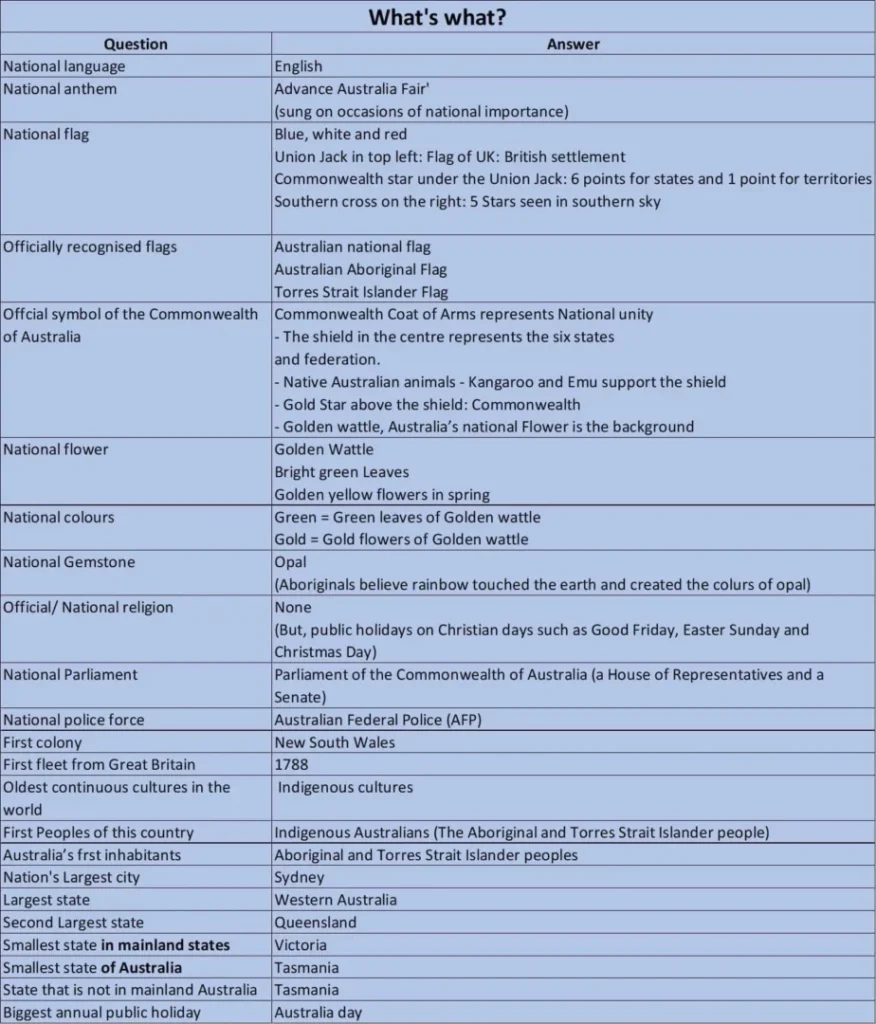
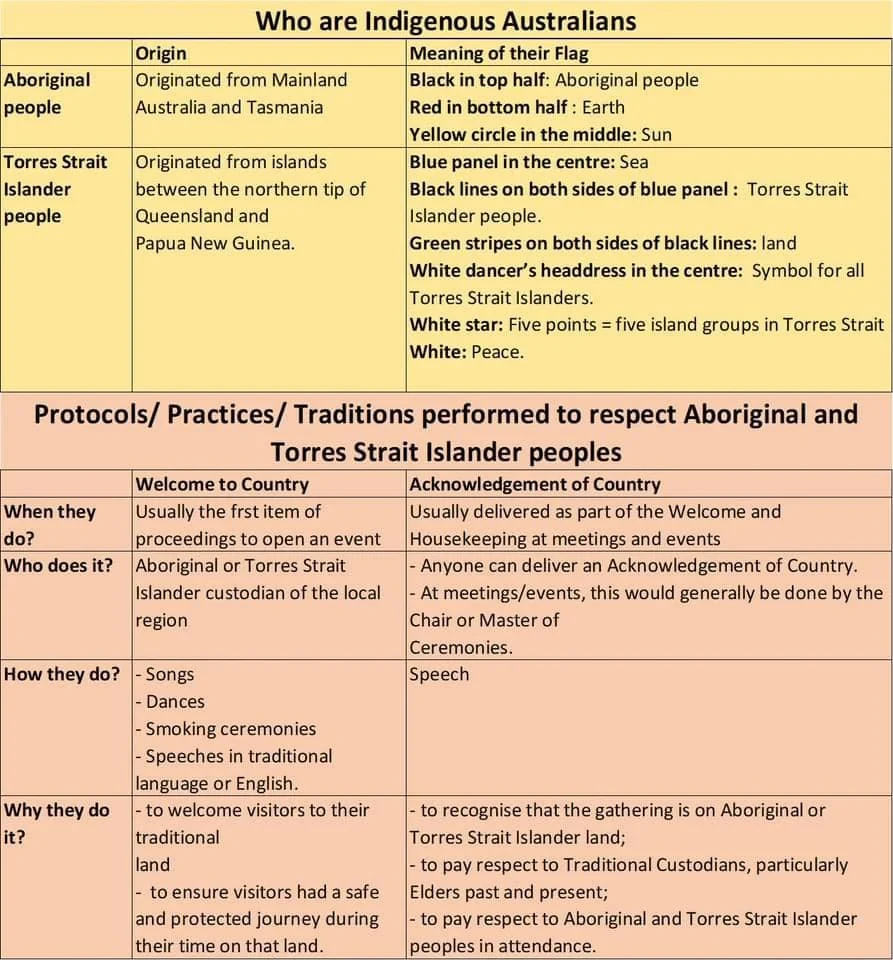
This section covers geography, history, population, national symbols, and Indigenous heritage.
Key facts to memorize:
- Australia is the world’s sixth-largest country by land area and the largest island.
- Population: Over 26 million people (multi-cultural society with people from more than 200 countries).
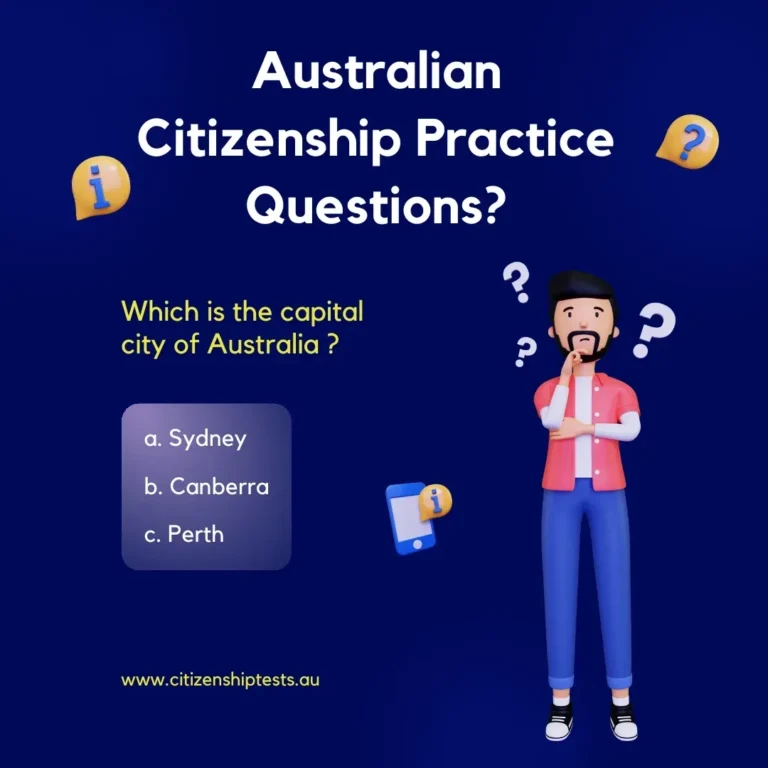
- Capital city: Canberra.
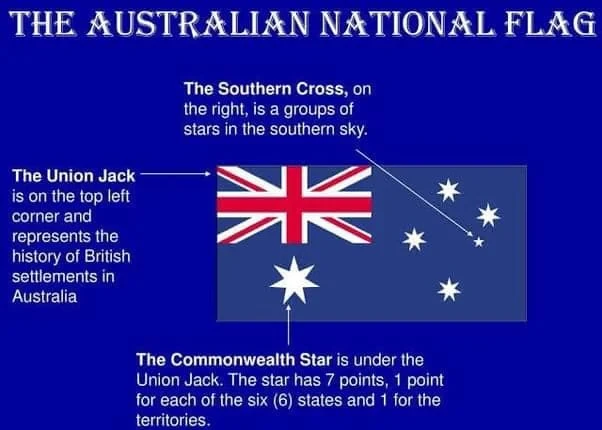
- National colours: Green and gold.
- National floral emblem: Golden wattle.
- National gemstone: Opal.
- National anthem: Advance Australia Fair.
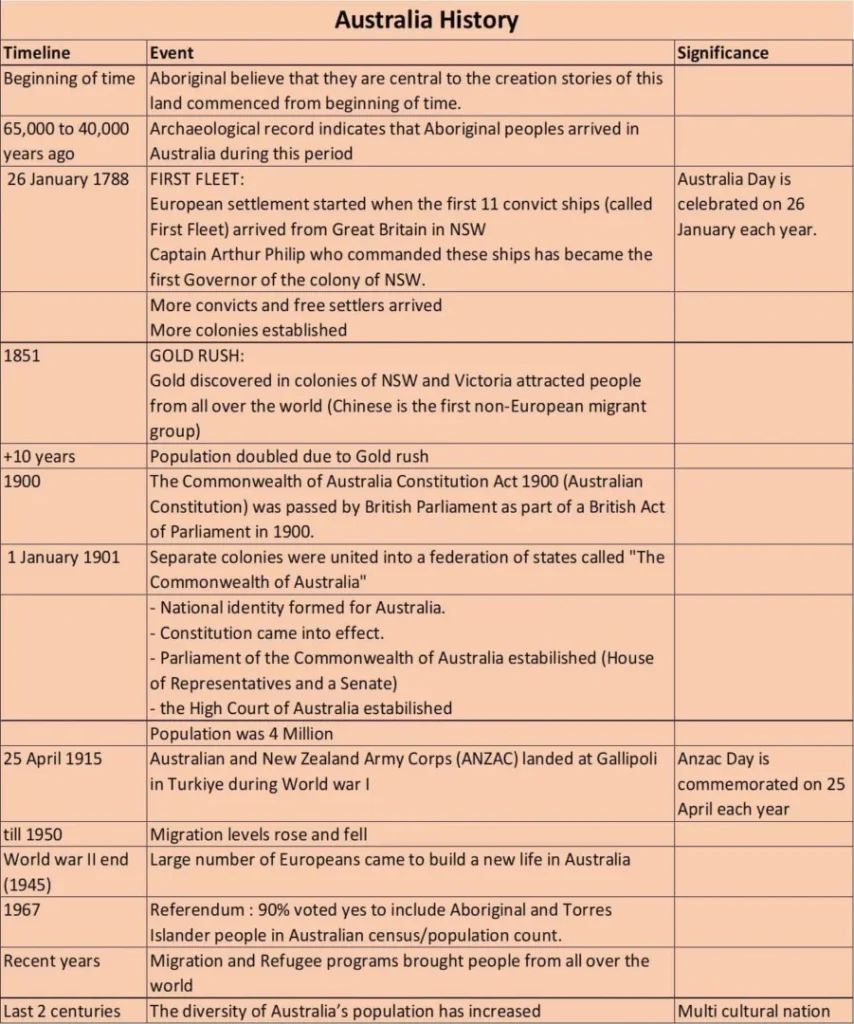
- Indigenous Australians are the world’s oldest continuous living culture (over 65,000 years).
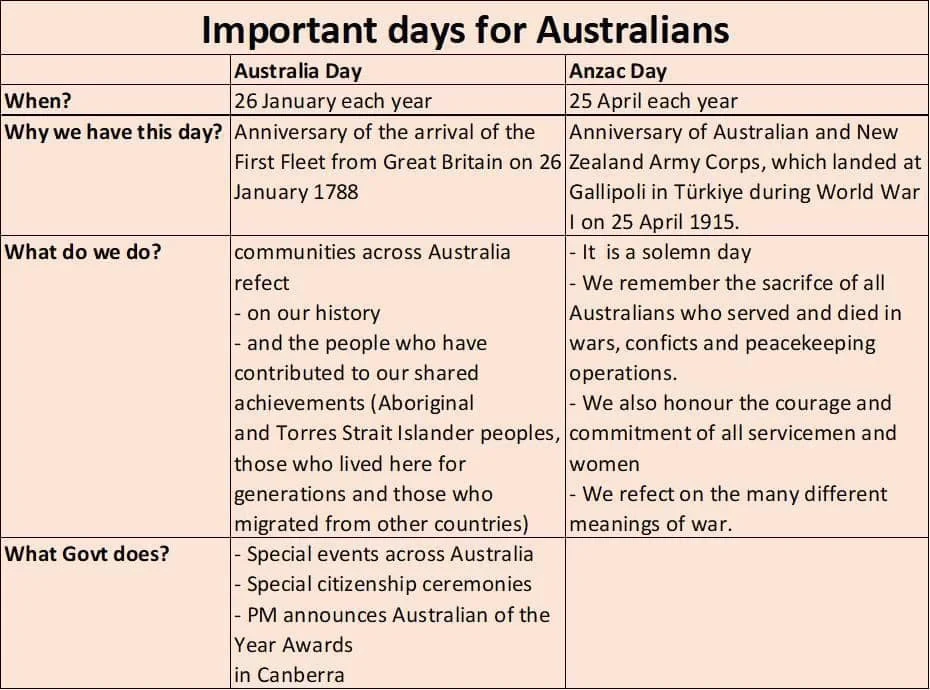
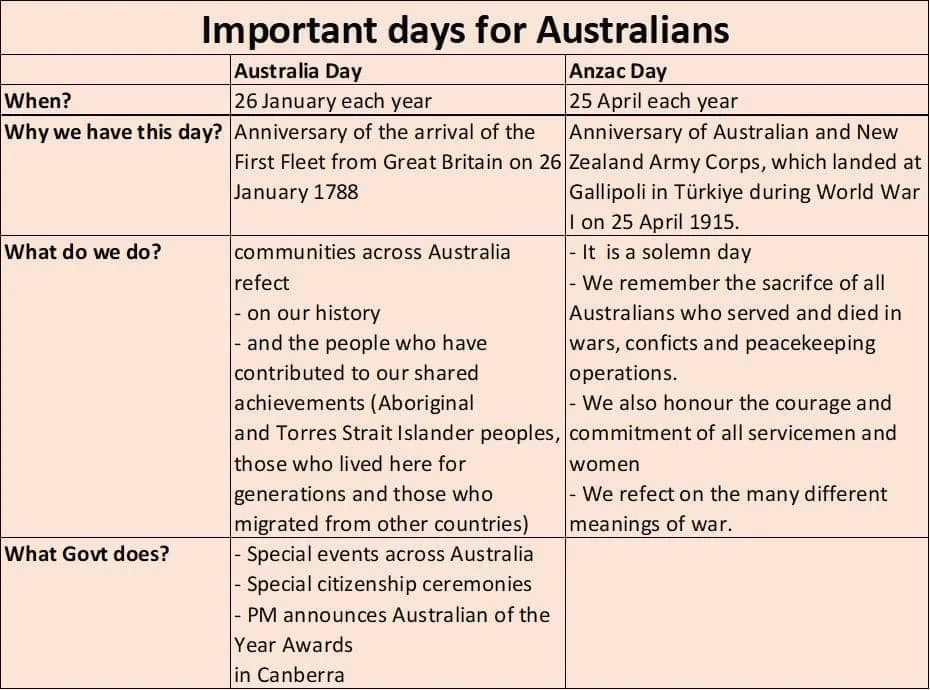
- Key historical event: ANZAC Day (25 April) commemorates the landing of Australian and New Zealand troops at Gallipoli in 1915.
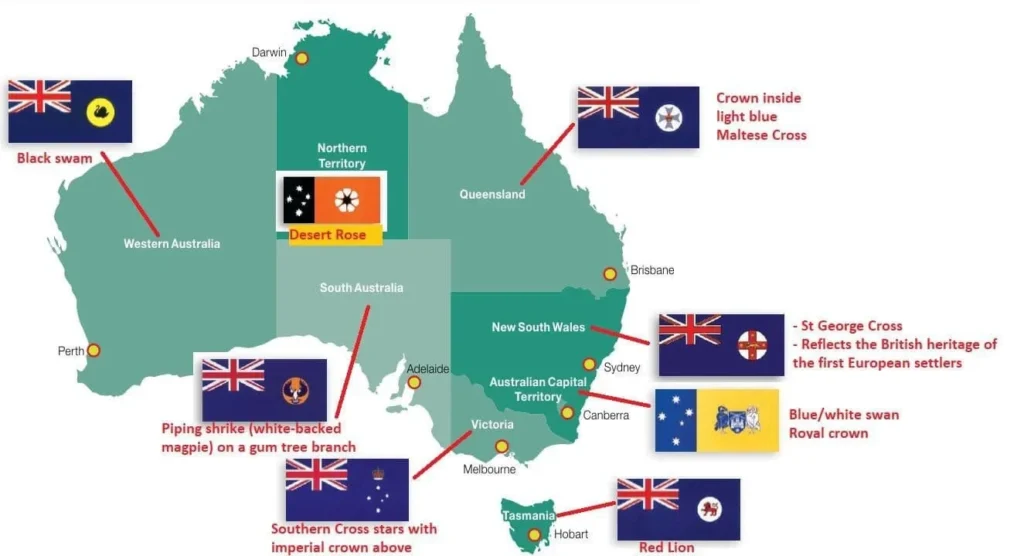
- Australia has a federal system with six states and two territories.
2. Australian Values
This is the most critical section (5 mandatory correct answers required).
Core Australian values include:
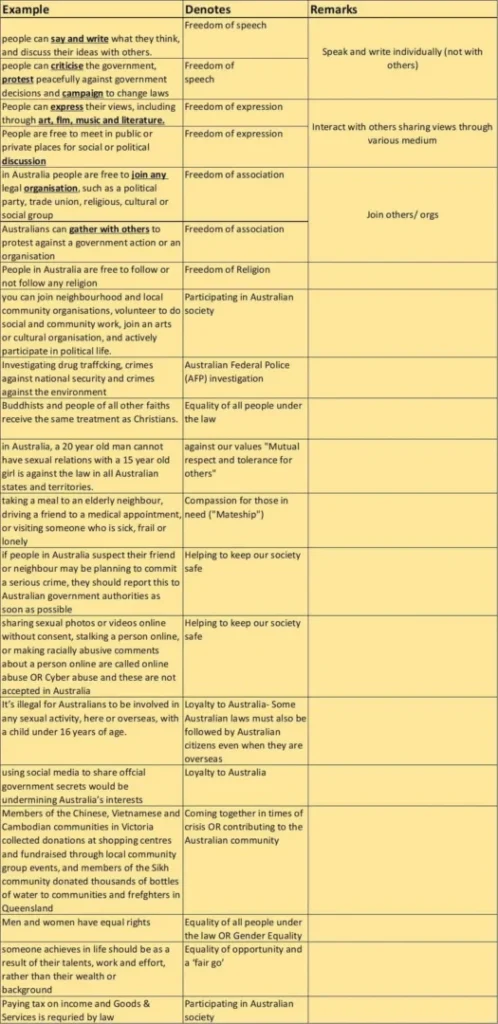
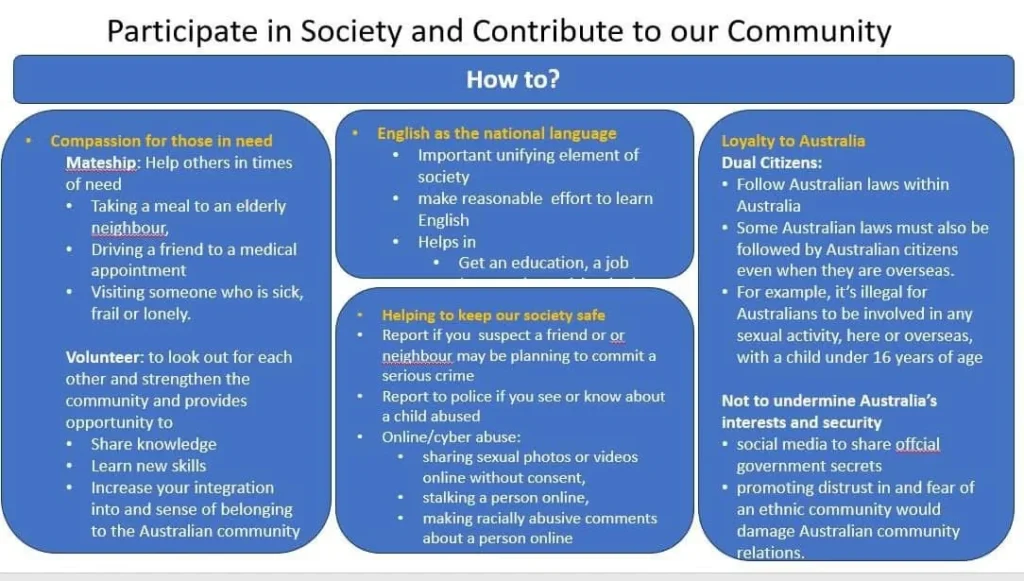
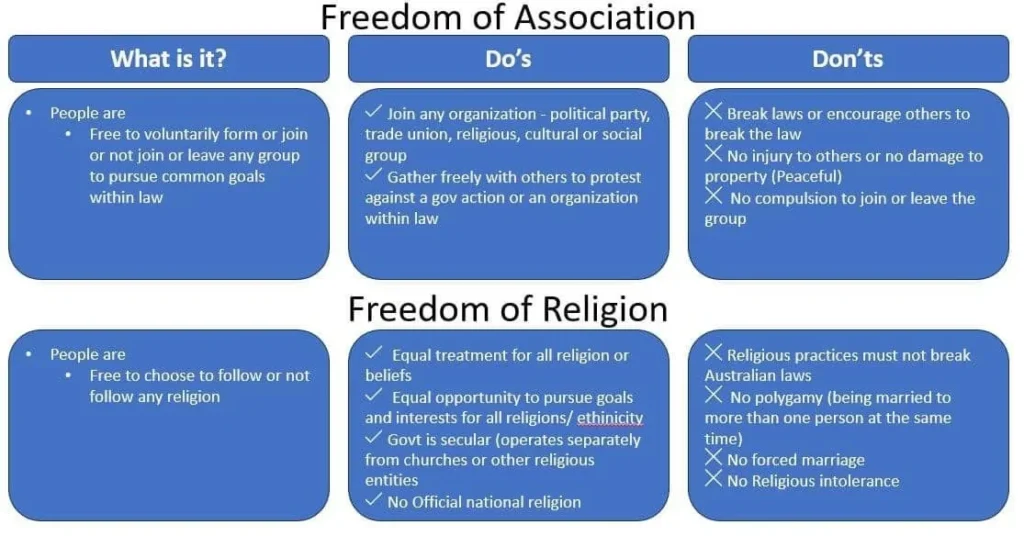
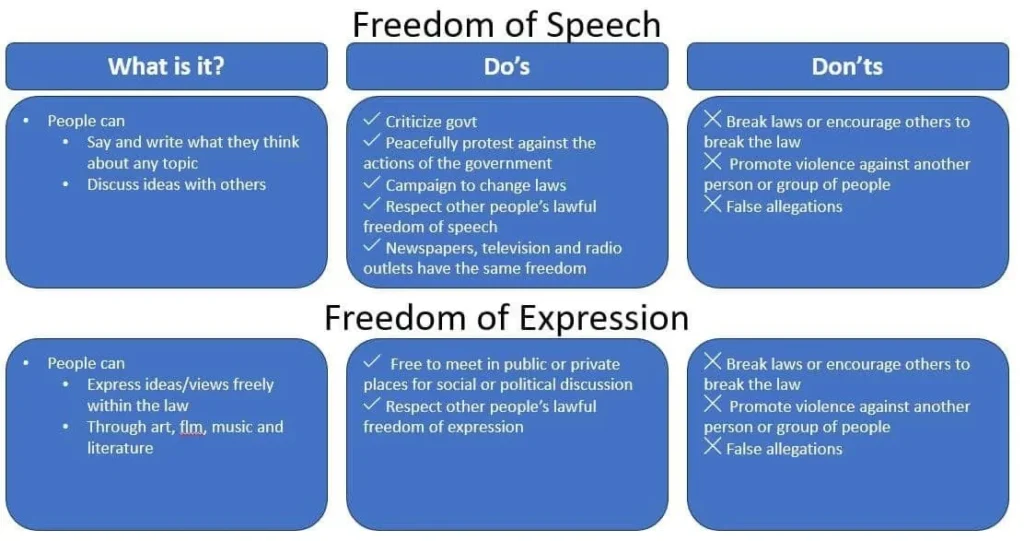
- Freedom: Freedom of speech, religion, association, and expression (within the law).
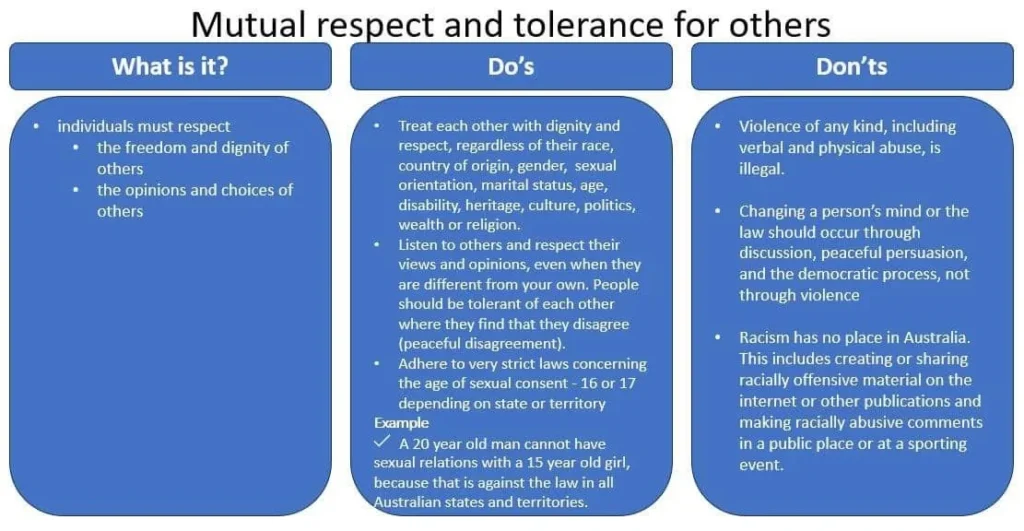
- Respect for the rights and freedoms of others.
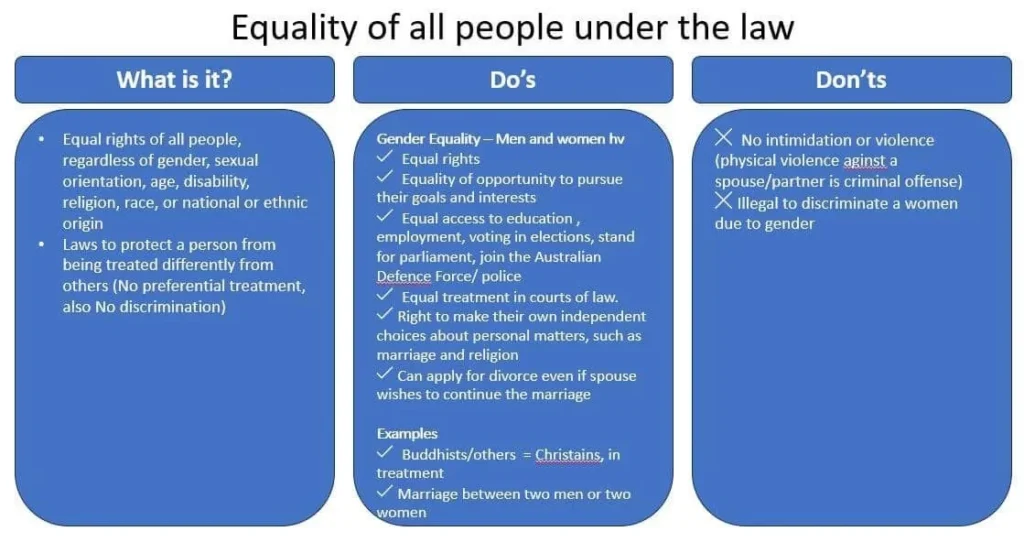
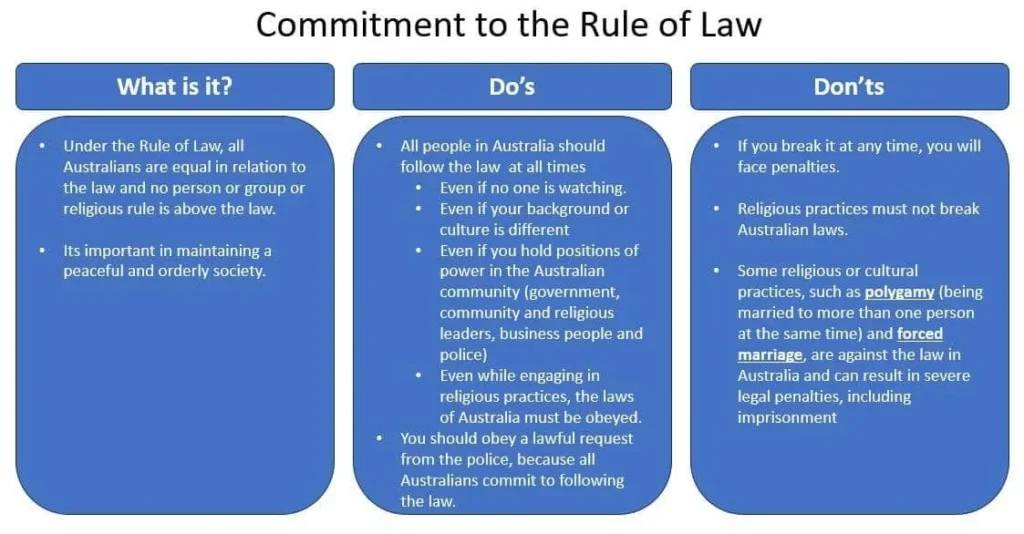
- Equality: Men and women are equal; everyone is equal before the law—no one is above it.
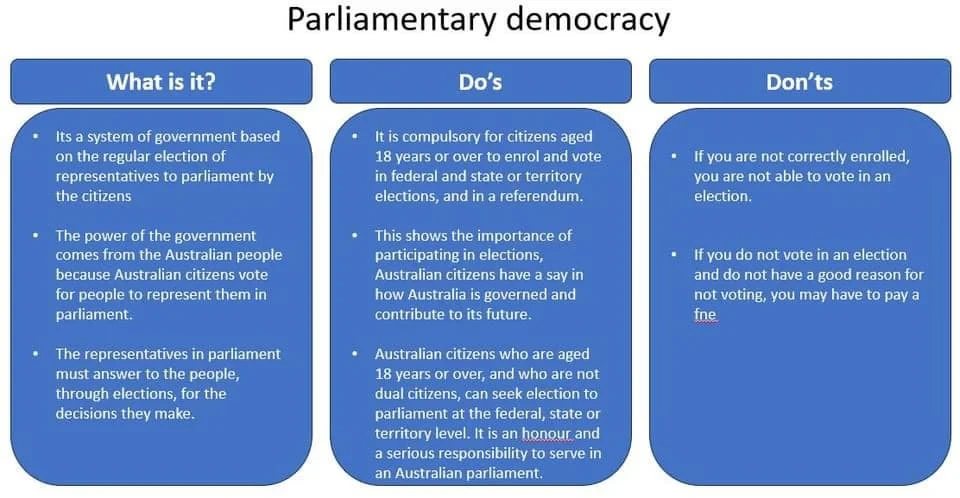
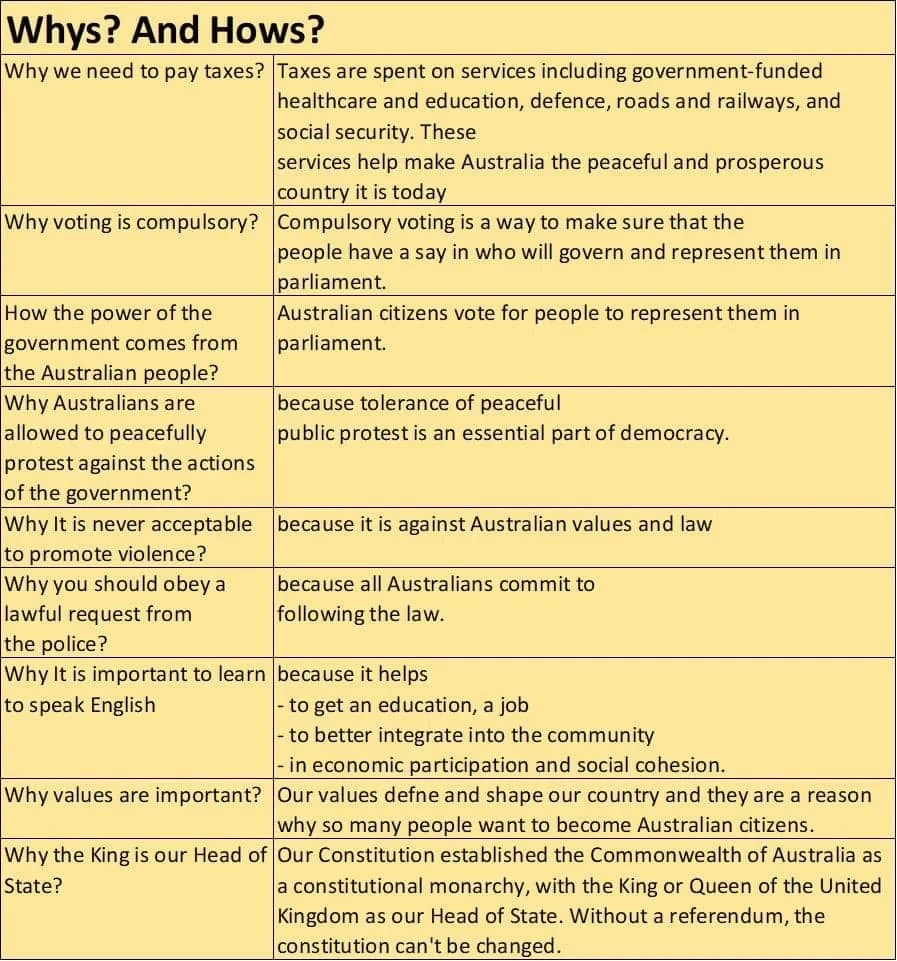
- Democracy: Government by the people through elected representatives.
- Rule of law: Laws apply to everyone equally; independent courts and judiciary.
- Mutual respect and tolerance.
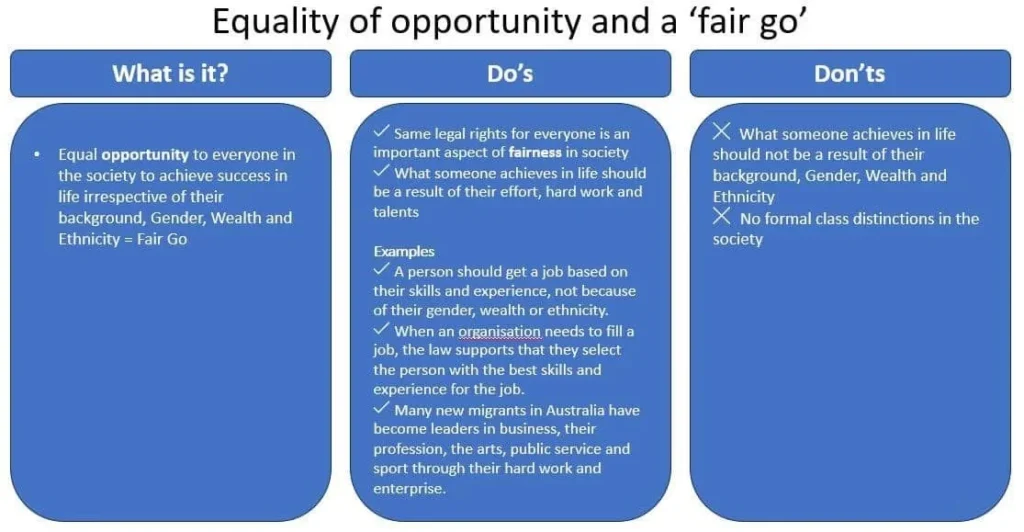
- Fair go: A fair opportunity for all.
- Compassion for those in need.
- Gender equality is fundamental.
3. Australia’s Democratic Beliefs, Rights, and Liberties
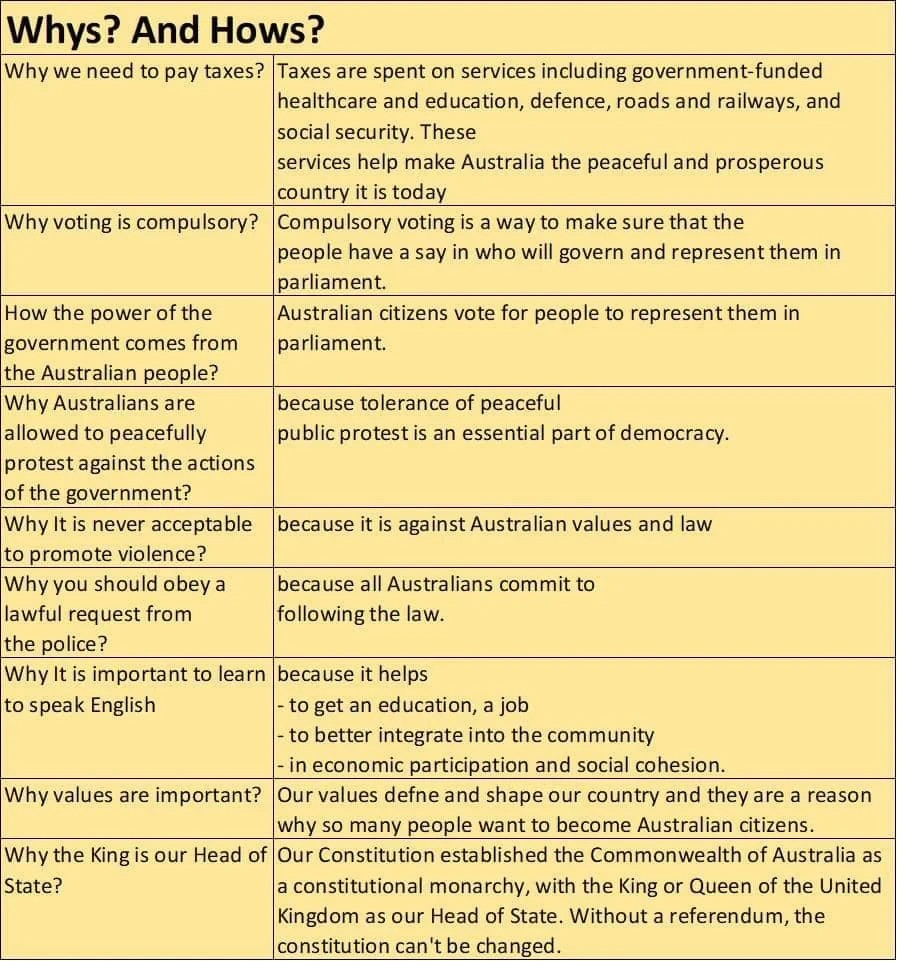
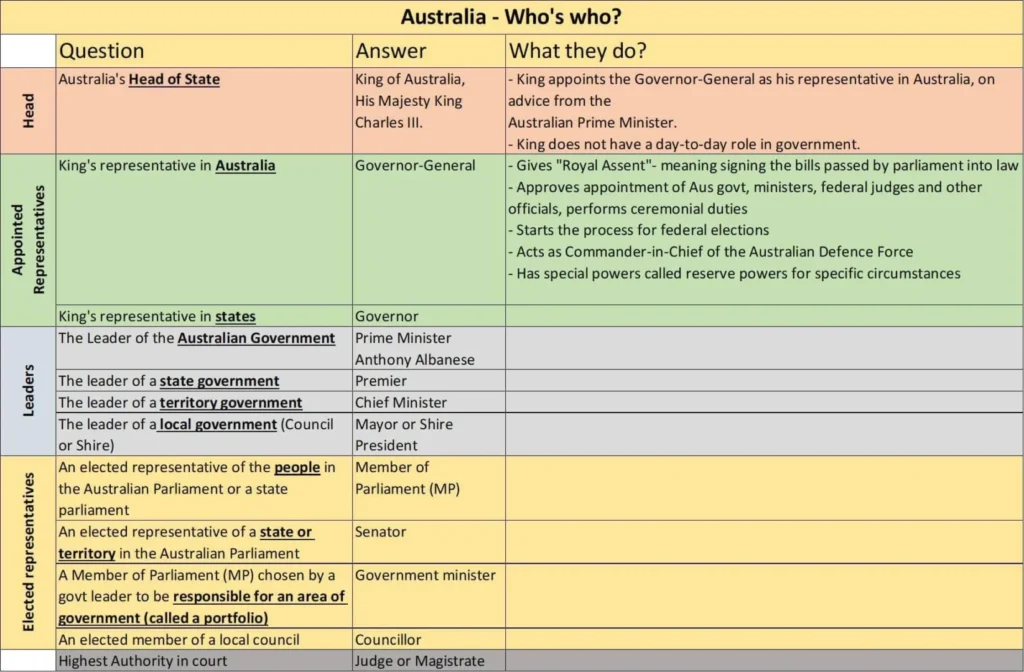
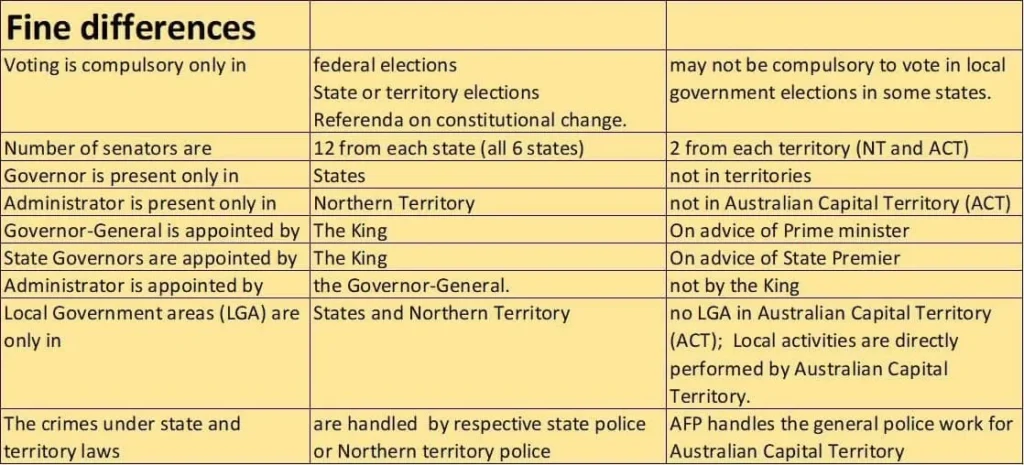
Australia is a representative democracy and a constitutional monarchy.
Key points:
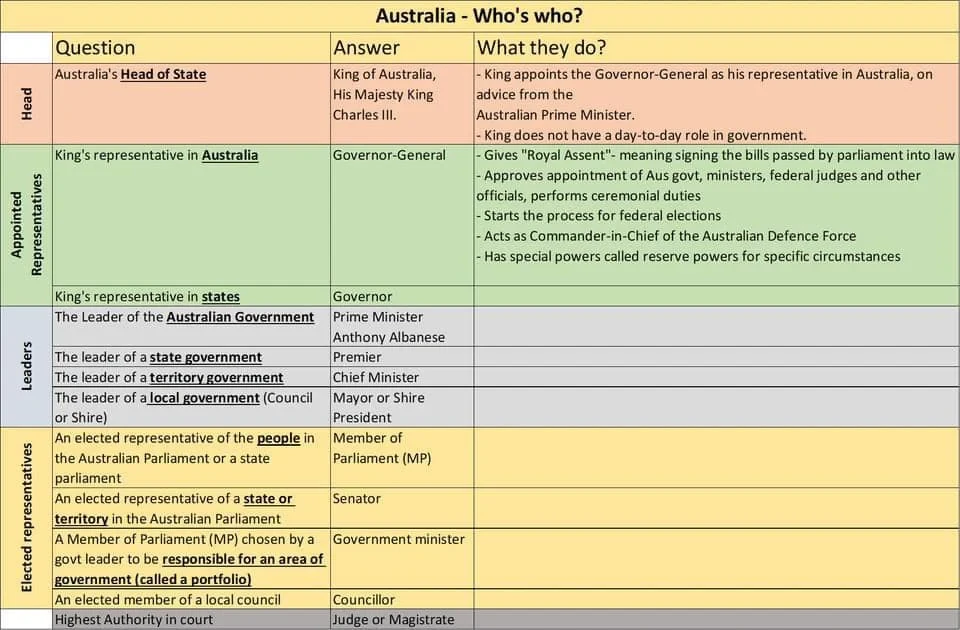
- Sovereign: King Charles III (represented by the Governor-General).
- Elections: Compulsory voting for citizens 18+; secret ballot.
- Freedoms: Speech, association, movement, religion (protected but not absolute—limits for safety/security).
- Responsibilities: Obey laws, vote, serve on jury if called, defend Australia if necessary.
- Rights: Equality before the law, access to education/healthcare, protection from discrimination.
Australia has no single Bill of Rights; rights are protected through common law, Constitution, and legislation.
4. Government and the Law in Australia
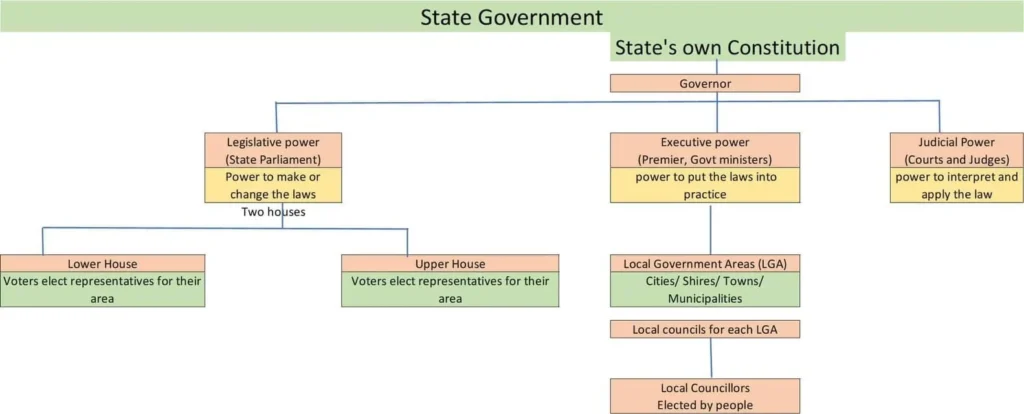
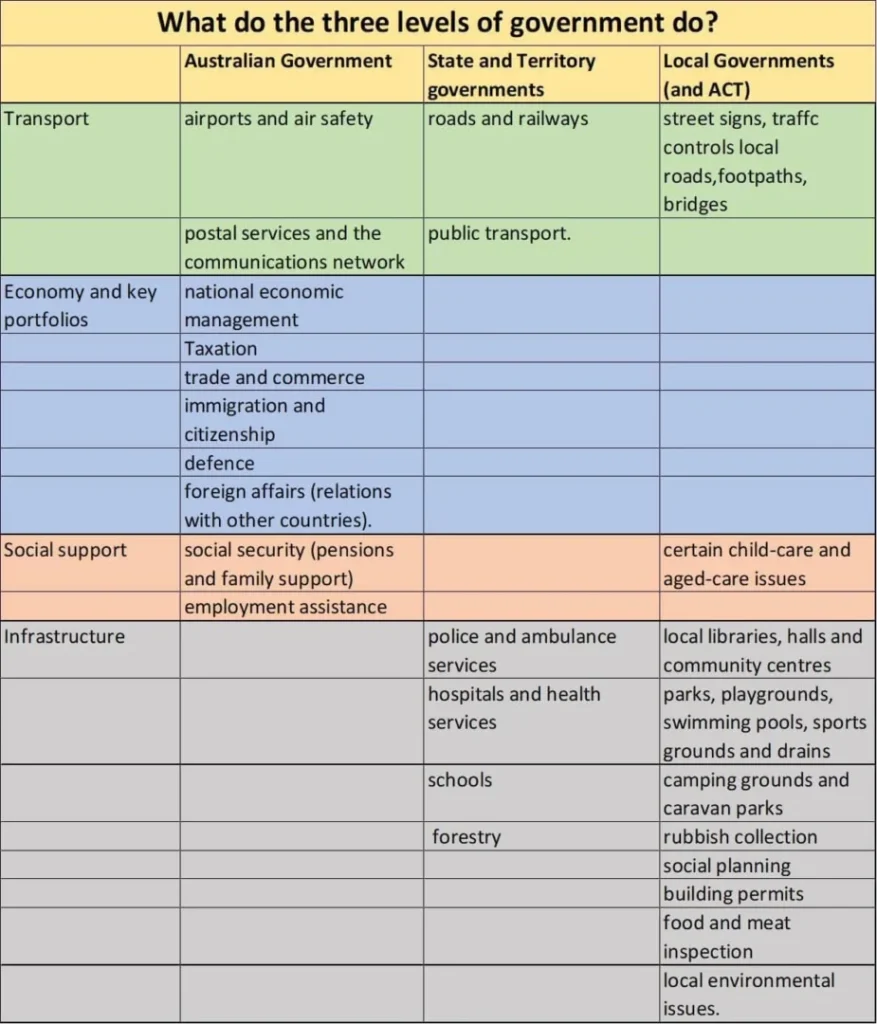
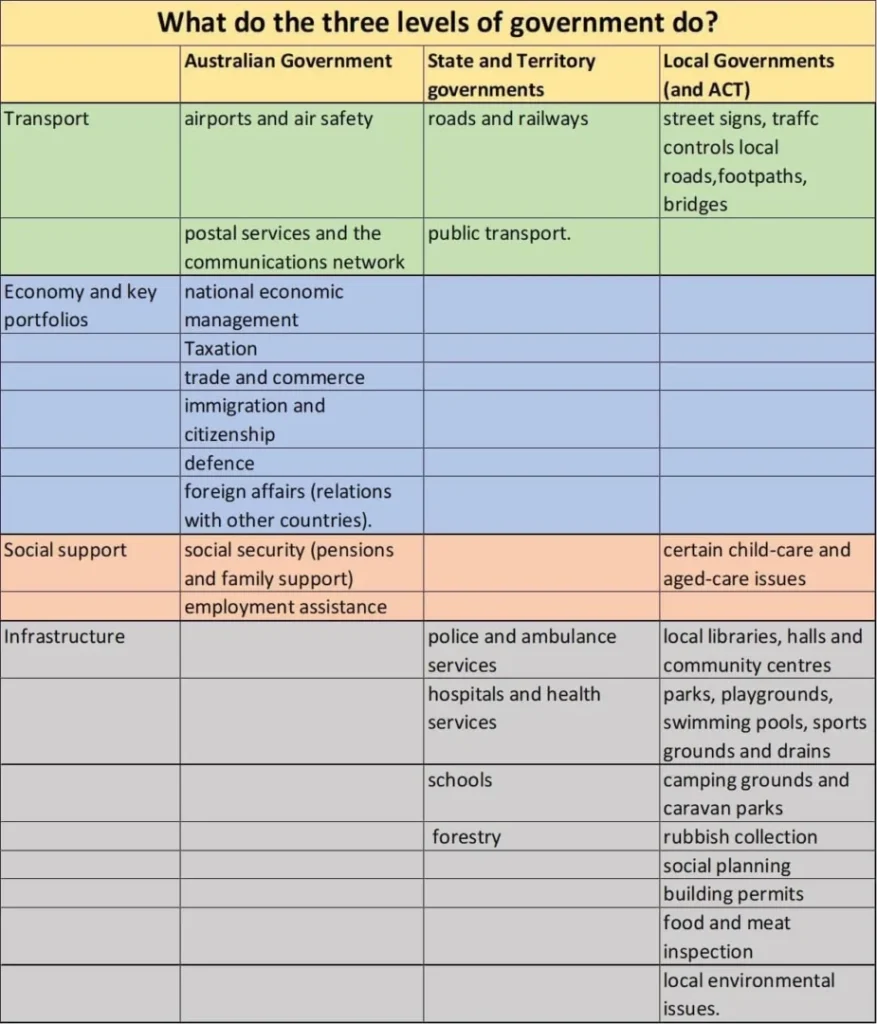
Australia has three levels of government:
- Federal (national): Handles defence, immigration, foreign affairs, trade.
- State/Territory: Education, health, transport, police.
- Local (councils): Rubbish collection, parks, local roads.
Parliament:
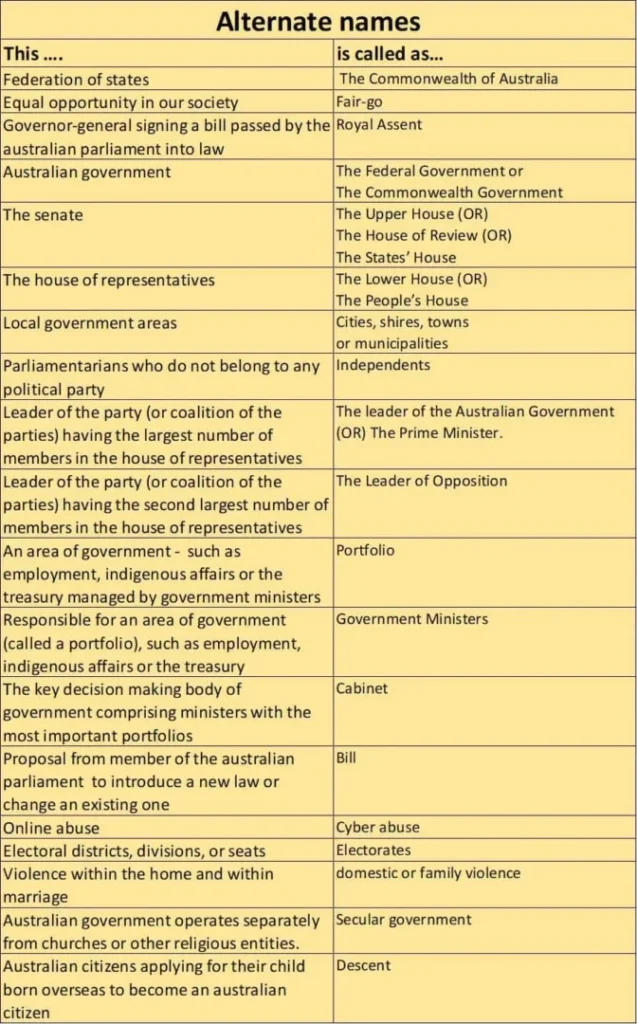
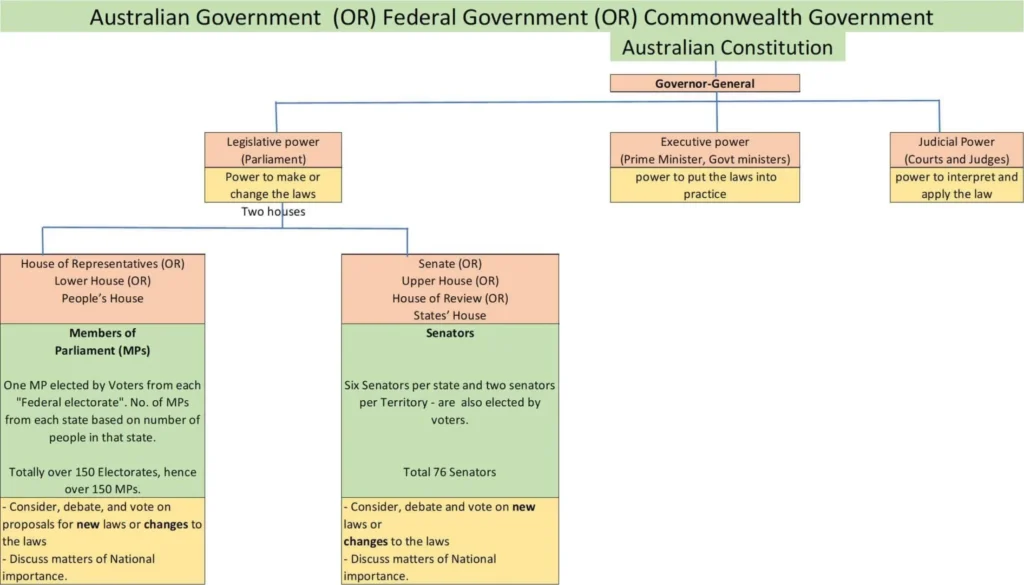
- Bicameral federal parliament: House of Representatives (lower house) and Senate (upper house).
- Prime Minister leads the party/coalition with majority in the House.
- Laws must pass both houses and receive royal assent.
Judicial system: Independent courts ensure justice; everyone entitled to fair trial.
Effective Study Tips for 2026
- Primary resource: Read Australian Citizenship: Our Common Bond (testable PDF) at least twice—highlight key facts.
- Practice daily: Use the official practice test on the Department of Home Affairs site; aim for consistent 100% on values questions.
- Tools: Flashcards for symbols/dates; mind maps for government structure; listen to official podcasts for audio reinforcement.
- Revision strategy: Study 15–30 minutes daily rather than cramming; focus on weak areas.
- Mock tests: Free online practice tests (many aligned with 2020+ updates) simulate the real exam—time yourself.
- English improvement: If needed, practice reading/comprehension as the test is in English.
- On test day: Arrive early with required ID; stay calm—questions are straightforward if prepared.